About Code Orbit
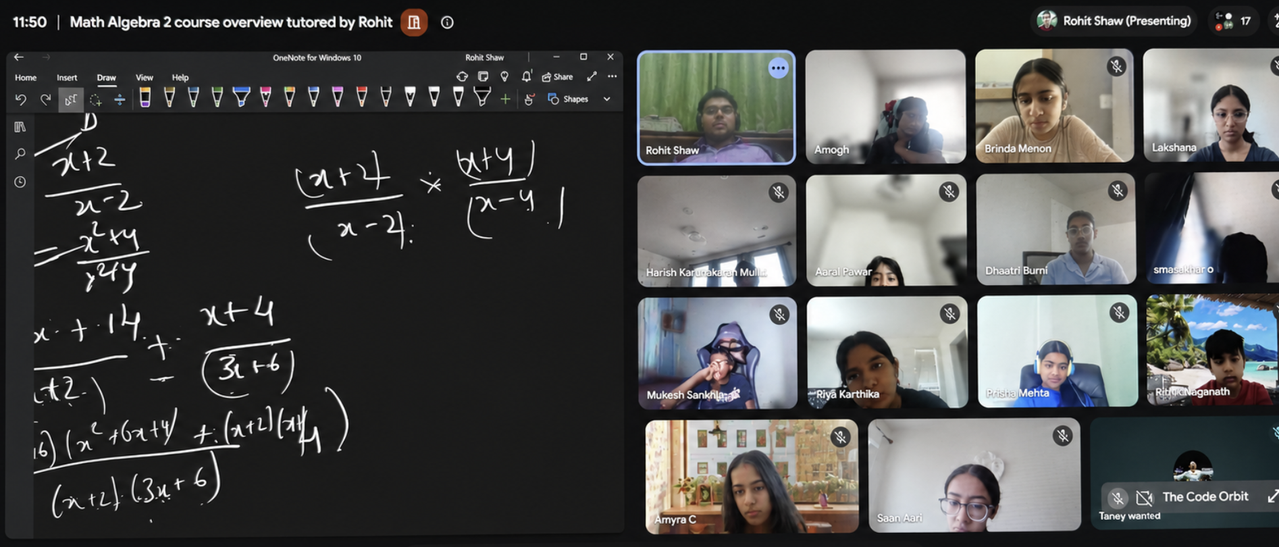
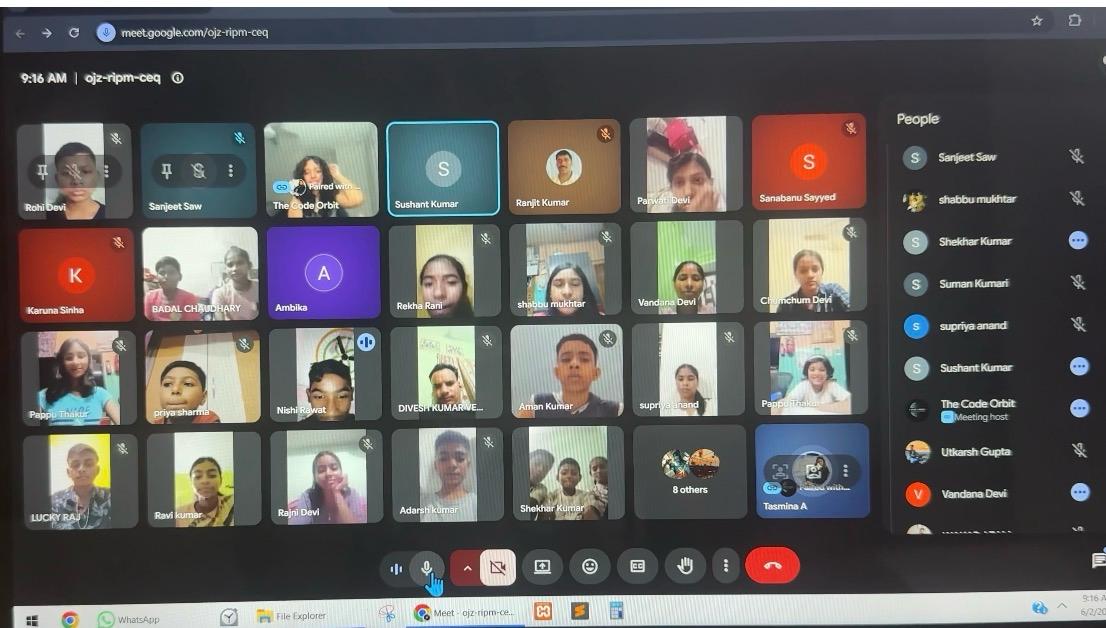
Code Orbit started in 2024 with a simple idea: teaching a handful of students to code at a local library. That small beginning grew into a student-led nonprofit making coding, AI, and STEM education free for students worldwide. In just over a year, we've run 50+ workshops and 20+ AI awareness sessions, pairing students with mentors on real, project-based work — from Scratch, the foundation of STEM and coding, to beyond — data analysis and ethical research practices. Our community now spans the U.S., Canada, East and West Africa, and Asia, connecting students with mentors, educators, schools, libraries, and youth organizations both locally and internationally. We believe technology education should go beyond tutorials — students should build, research, and solve real problems alongside people who can guide them. Our goal: give more young people the access and support to become the creators and innovators they're capable of being.
Our mission is to break barriers in education by creating an inclusive global community where learners can develop skills, share ideas, and build projects together in a supportive environment!
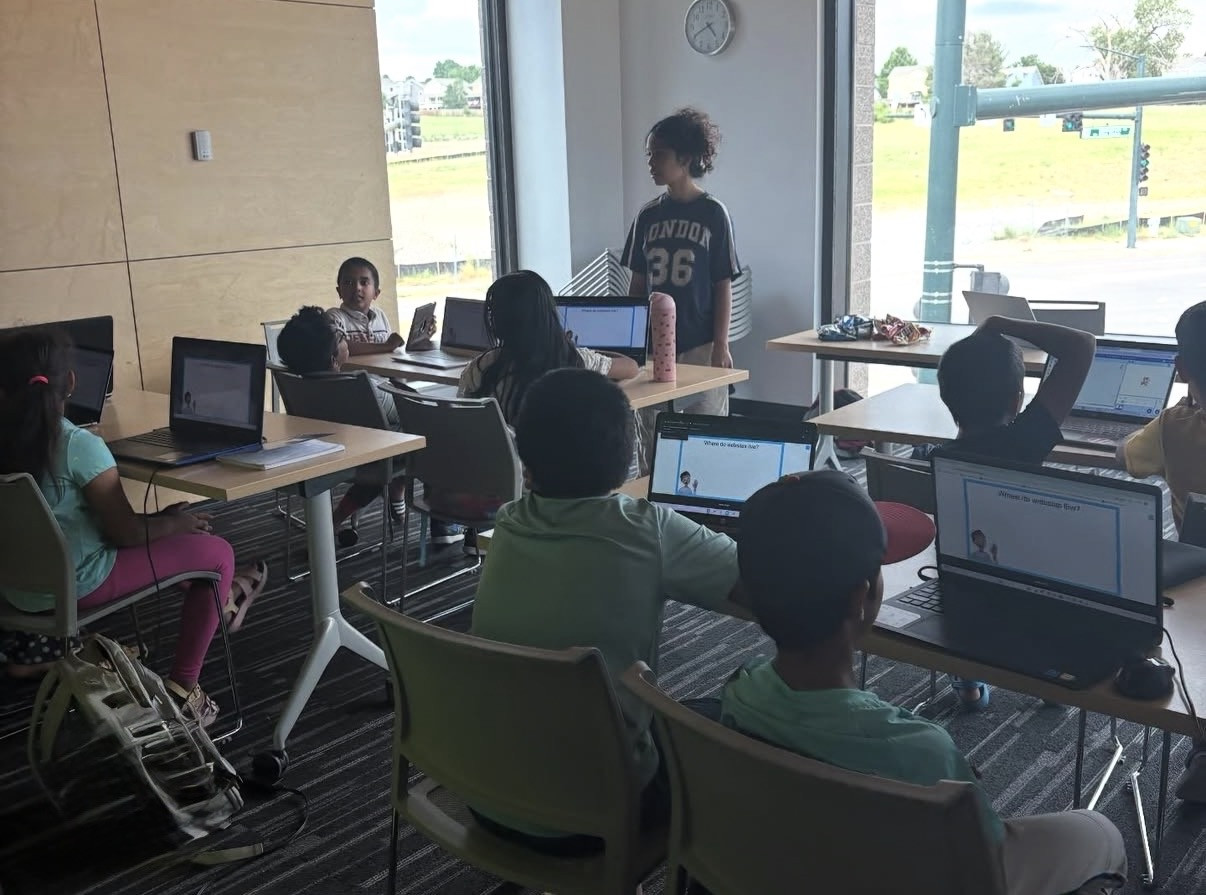
Our Learning Tracks
The main courses offered are Python programming, Web Development, and Machine Learning/Artificial Intelligence. Choose your path to coding mastery.

Python Programming
Start your coding journey with Python! Learn the basics of programming, variables, loops, and functions through fun projects and interactive exercises.
Ages 10-14, No experience required

Web Development
Build amazing websites with HTML, CSS, and JavaScript. Create your own portfolio, games, and interactive web applications from scratch.
Ages 12-16, Basic coding knowledge helpful

Machine Learning/AI
Design and create your own video games! Learn game mechanics, character design, and coding with popular game engines like Scratch and Unity.
Ages 11-15, Beginner to Intermediate
No Tracks Found
Try adjusting your filters to see more results
Upcoming Lessons
View AllEmpowering High School Students Through Research
Code Orbit Research is a structured mentorship program designed to help high school students explore meaningful questions, develop research skills, and create original research projects with guidance from mentors. The program introduces students to the complete research journey — from exploring academic literature and developing a research question to analyzing findings, writing a research manuscript, and preparing their work for submission to research journals, conferences, or other academic platforms. Through hands-on learning, mentorship, and continuous feedback, students develop important skills in critical thinking, academic writing, data analysis, and ethical research practices. --- Program Details Duration: 10 Weeks Class Schedule: Every Sunday Time: 11:00 PM – 12:00 AM MST (60 Minutes) Start Date: October 18, 2026 , End Date: December 20, 2026 Format: Live Online Group Mentorship Mentor: Afia Khanam --- 10-Week Research Roadmap Week 1–2 | Research Question & Direction Students explore existing research, understand current work in their areas of interest, and develop a focused research question connected to real-world challenges. Students will learn: • Exploring academic literature • Finding reliable research sources • Identifying research opportunities • Developing strong research questions • Understanding research ethics --- Week 3–4 | Research Design & Methodology Students create a research plan by selecting appropriate methods, identifying resources, planning data collection, and developing a clear approach for their project. Students will learn: • Research methodologies • Data collection approaches • Designing research frameworks • Academic citation practices • Creating organized research plans --- Week 5–6 | Research, Analysis & Writing Students conduct their research, analyze information or data, interpret results, and begin developing their research paper with mentor feedback. Students will learn: • Research analysis techniques • Academic writing skills • Organizing research findings • Building evidence-based conclusions • Communicating ideas clearly --- Week 7–8 | Manuscript Development & Review Students complete their research manuscript and improve their work through feedback, revisions, and refinement of their research findings. Students will learn: • Structuring a research paper • Editing and improving academic writing • Reviewing research quality • Strengthening arguments and explanations --- Week 9–10 | Publication Submission & Presentation Students prepare their completed research for potential submission to appropriate journals, conferences, or research platforms and learn how to present their work professionally. Students will learn: • Preparing research submissions • Writing research summaries and abstracts • Presenting research ideas • Sharing findings with an academic audience --- Program Outcomes By completing this program, students will: • Develop the ability to conduct independent research • Learn how researchers approach real-world problems • Create an original research project • Improve academic writing and analytical skills • Understand ethical research practices • Gain experience preparing research papers and presentations • Build confidence in communicating complex ideas --- Who Can Apply? This program is designed for high school students interested in exploring research in areas such as: • Artificial Intelligence • Computer Science • Engineering • Healthcare and Medicine • Biology • Environmental Science • Mathematics • Economics • Social Sciences • Interdisciplinary Fields --- Prerequisites & Application Process Code Orbit Research is designed for high school students who have a strong foundation in computer science and are interested in exploring research through a structured mentorship experience. Prerequisites Applicants should: • Be currently enrolled as a high school student • Have completed or be currently enrolled in AP Computer Science courses (such as AP Computer Science A or AP Computer Science Principles) • Have prior knowledge of Python programming • Demonstrate interest in research, technology, problem-solving, or innovation • Have experience with coding projects, competitions, coursework, or other technology-related activities • Be willing to dedicate time toward independent research and project development Application Requirements Students interested in joining the program must submit: • A brief description of previous experience, including coding projects, research interests, academic achievements, competitions, or relevant activities • A short essay explaining: • Why they are interested in research • What research topics they would like to explore • What they hope to learn through the program Applications should be sent to: [official@thecodeorbit.com, thecodeorbit@gmail.com] Selection Process Student selection will be based on the submitted essay, previous experience, and demonstrated interest in research and technology. Selected applicants will receive confirmation by October 1, 2026. Program Capacity The program has limited availability with only 20 student spots to ensure meaningful mentorship, guidance, and feedback throughout the research process. --- CODE ORBIT Research • Learn • Create Helping students move beyond learning concepts and begin exploring, questioning, and creating solutions through research.
ADVANCED PRE-ALGEBRA PROGRAM
Strengthen Your Algebra Skills. Build Strong Mathematical Thinking. Ready to move beyond basic pre-algebra? Join our free 7-session Advanced Pre-Algebra Program designed for students who already have a foundation in algebra and want to strengthen their problem-solving, algebraic reasoning, and mathematical modeling skills. PROGRAM DETAILS Mentor: Aradhyay Singh Sessions: 7 Dates: September 12 – October 4, 2026 Time: 2:00 PM MST Days: Saturdays and Sundays Mode: Online via Google Meet Fee: FREE GOOGLE MEET Join the live class: https://meet.google.com/gpf-qerr-fgj WHAT YOU’LL LEARN Literal equations and formula rearrangement Multi-step absolute value equations and inequalities Compound inequalities and systems of inequalities Functions, domain, range, and transformations Arithmetic sequences and recursive formulas Advanced systems of equations and real-world modeling Exponent laws and polynomial operations Advanced factoring and quadratic equations Mathematical reasoning through challenging word problems WHAT TO EXPECT Live, interactive instruction Guided practice with increasingly challenging problems Algebraic reasoning and problem-solving strategies Real-world applications and mathematical modeling Comprehensive review and final assessment SESSION SCHEDULE Class 1: Literal and Absolute Value Equations Literal equations and formula rearrangement Multi-step absolute value equations Advanced mixture and uniform motion word problems Class 2: Advanced Inequalities Compound inequalities using AND and OR statements Absolute value inequalities Systems of linear inequalities in two variables Class 3: Functions and Arithmetic Sequences Domain and range in interval notation Parent function transformations Arithmetic sequences using explicit and recursive formulas Class 4: Advanced Systems of Equations Multi-step elimination with non-unit coefficients System classifications: consistent, inconsistent, and dependent Rate, distance, and business break-even modeling Class 5: Exponent Laws and Polynomials Negative and rational exponents Polynomial multiplication and special products Division of polynomials by monomials Class 6: Advanced Factoring and Quadratics Factoring trinomials where the leading coefficient is not 1 Factoring by grouping and differences of squares Completing the square and the Quadratic Formula Class 7: Comprehensive Exam Cumulative review Mixed problem-solving Comprehensive final assessment Build stronger algebraic thinking and prepare for more advanced mathematic.
Intro to the Rubix Cube & White Cross
Solving the Rubix Cube: A Beginner’s Guide Learn to solve the Rubix Cube from scratch using the beginner method. Over four sessions, you’ll master notation, build the first two layers, and complete a full solve. By the end, you’ll cube confidently and start working on speed. Mentor: Hitesh Elango Day: Sunday Time Zone: 11:00 AM EST (Eastern Standard Time) Fee: Free Mode: Google Meet (link will be shared closer to each session) Total Sessions: 4 Sessions Lesson 1: Introduction to the Rubix Cube & White Cross Learn how the cube works, the different piece types, basic notation and movements, and how to build a correct white cross. Lesson 2: First Layer & Middle Layer Learn how to place the white corner pieces to complete the first layer, then recognize and insert middle-layer edges using beginner algorithms. Lesson 3: Final Layer — Yellow Face Learn how to create the yellow cross, solve the yellow corners, and position the final pieces to complete a full solve. Lesson 4: Practice, Troubleshooting & Speed Improvement Learn how to identify and fix common mistakes, reduce pauses, and apply basic speedcubing techniques to improve solving confidence and speed. Total Duration: 4 Sessions
CODE ORBIT – MATH: Geometry Foundations
BUILDING STRONG MATHEMATICAL THINKING | FREE Program Overview This beginner-friendly Geometry program is designed to help students build a strong foundation in geometry through five engaging and interactive lessons. Students will develop mathematical reasoning, problem-solving skills, and confidence while learning essential geometry concepts and applying them to mathematical problems. Mentor: Rayansh Prasad | Schedule: Every Saturday & Sunday | 9:00 AM MST India Time: 8:30 PM IST | Kenya Time 6:00 PM Total Sessions: 16 | Fee: FREE Dates: August 01 – September 20, 2026 Key Concepts Covered • Geometric vocabulary and foundational concepts • Lines, line segments, rays, and angles • Types and properties of angles • Triangles and their properties • Polygons and their characteristics • Geometry-based problem-solving strategies • Mathematical reasoning and application 5-Session Roadmap Session 1: Geometric vocabulary, foundational concepts, lines, line segments, and rays. Session 2: Angles, types of angles, angle properties, and problem-solving. Session 3: Triangles, their properties, classification, and applications. Session 4: Polygons, characteristics, properties, and geometry-based problems. Session 5: Review, mathematical reasoning, problem-solving, and independent practice. Program Format • Live interactive online sessions • Beginner-friendly instruction • Guided practice and problem-solving • Interactive geometry activities • Independent practice • Opportunities to ask questions and participate Who Can Join? This program is designed for students who are beginning their journey with Geometry and want to strengthen their mathematical foundations. Interested in joining our team or exploring collaboration opportunities? Email us at [official@thecodeorbit.com](mailto:official@thecodeorbit.com) Stay Connected Follow Code Orbit to discover upcoming free STEM programs, workshops, student opportunities, collaborations, and community initiatives.
Thinking Like a Software Engineer (Not a Code Copier)
Learning code the right way starts with understanding how software is built, not just copying and running code. This beginner-friendly course is designed for students with little to no prior programming experience who want to develop strong foundations in computer science and software engineering. Mentor: Ritesh Elango Day: Saturday Time Zone: 11:00 AM EST (Eastern Standard Time) Fee: Free Mode: Google Meet (link will be shared closer to each session) Total Sessions: 10 Sessions Thinking Like a Software Engineer (Not a Code Copier) Instead of relying on AI to generate code without understanding it, students will learn how to think like software engineers by solving problems, writing code, debugging errors, and building confidence in their own abilities. Students will also learn how to use AI as a productivity tool while maintaining a deep understanding of the code they create. Throughout the course, students will begin with Python programming fundamentals, learning core concepts such as syntax, variables, data types, operators, conditional statements, loops, functions, and problem-solving techniques. Emphasis will be placed on computational thinking and breaking complex problems into smaller, manageable steps before writing code. Students will then learn how professional developers work by exploring terminal basics, developer workflows, project organization, and tools used in real software development environments. The course also introduces debugging techniques, common programming errors, writing clean and maintainable code, and version control with Git to help students understand how software is developed efficiently and reliably. Finally, students will learn how to responsibly integrate artificial intelligence into their development workflow. Topics include evaluating AI-generated code, verifying solutions, debugging AI suggestions, understanding AI limitations, and using AI to accelerate development without becoming dependent on it. By the end of the course, students will have a strong understanding of software engineering fundamentals, confidence writing Python programs, knowledge of professional development workflows, and the ability to build, debug, and improve their own software while using AI as a tool—not a crutch. Course Structure: 10 Sessions Lesson 1: Python Foundations & Computational Thinking (Sessions 1–2) Learn programming fundamentals, Python syntax, variables, data types, operators, and basic problem-solving techniques while developing a strong foundation in computational thinking. Lesson 2: Building Strong Problem-Solving Skills with Code (Sessions 3–4) Learn how software engineers approach problems by breaking them down, designing algorithms, using pseudocode, and writing structured programs with concepts like conditionals, loops, and functions. Lesson 3: Terminal Usage & Developer Workflow Basics (Sessions 5–6) Learn how developers work with command-line tools, organize projects, run programs locally, and understand professional software development workflows. Lesson 4: Debugging, Git & Writing Reliable Code (Sessions 7–8) Learn how to identify and fix programming errors, debug effectively, write clean and maintainable code, and use Git for version control. Lesson 5: Using AI as a Tool, Not a Crutch (Sessions 9–10) Learn how to responsibly use AI in software development by reviewing AI-generated code, validating solutions, improving programs, and building independent problem-solving skills. Total Duration: 10 Sessions
Fundamentals of Art: Building Strong Drawing Foundations
Fundamentals of Art is a beginner-friendly course designed to build strong foundational drawing skills through observation, line control, shape construction, shading, and composition. Students will learn how to see like artists by breaking down complex subjects into simple forms and developing confident sketching habits. Each lesson includes core concept instruction, guided demonstrations, structured practice, and short creative applications to reinforce learning. The course focuses on both technical skill-building and creative expression. Mentor: Priyanshi Srivastava Fee : FREE Schedule Total Sessions: 6 Start Date: June 26, 2026 Day: Every Friday Time: 3:00 PM CST Mode: Online via Google Meet (link will be shared closer to each session) By the end of the course, students will be able to sketch objects, environments, and simple figures with clarity, proportion, shading, and expressive line quality. Students will also explore additional creative art projects beyond sketching to strengthen artistic confidence and imagination.
Student Projects
View AllCode Orbit, Dr. Sweta Kumari & COMWE: Celebrating Student Coders at a Gaya School, Bihar, India
The partnership reflects Code Orbit's broader mission: connecting students ...
by Magadh Higher Secondary School
Summer Wrapped, But the Coding Journey Continues | CODE ORBIT
To every camper who showed up, learned, built, and created with us this summer —...
by Happy Code
What are our campers doing this month | HAPPY CODE
PROJECT DROP! A balance of tech + creativity Kids leave with projects they built...
by Afia Khanam
Building a Global Learning Community Through Technology Education
A short glimpse into the incredible sessions happening at Code Orbit, where ment...
by Priyanshi Srivastava
Overcoming Barriers, Inspiring Innovators: Code Orbit x Magadh Higher Secondary School, India Collaboration
Code Orbit recently completed its Game Design Project in collaboration with Maga...
by Afia Khanam
Code Orbit Going Beyond Code to Connect Communities
At Code Orbit, we turn ideas into technology that empowers people, solves real p...
by Code Orbit
Latest News & Stories
Stories about innovation and breakthroughs in computer science
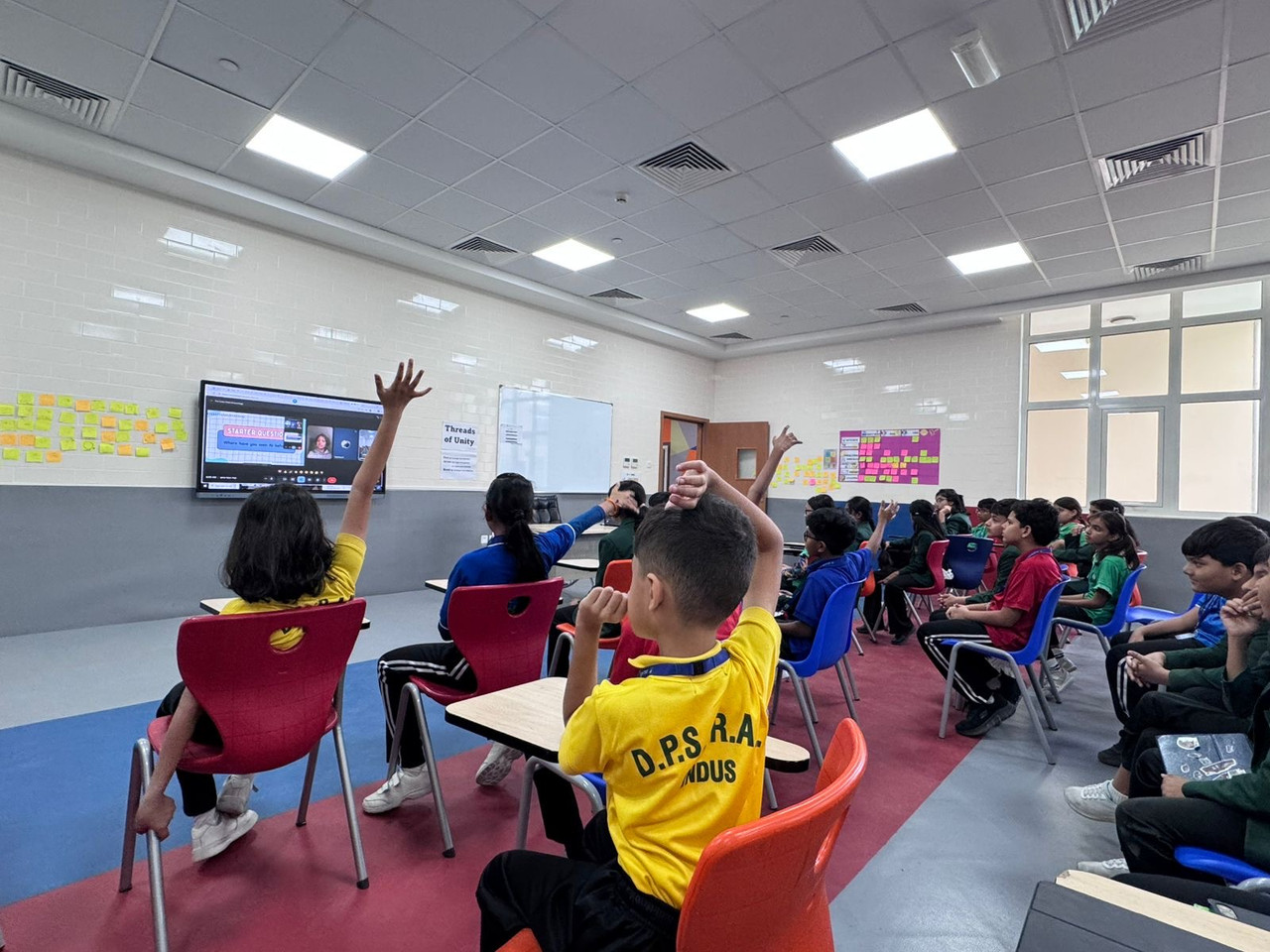
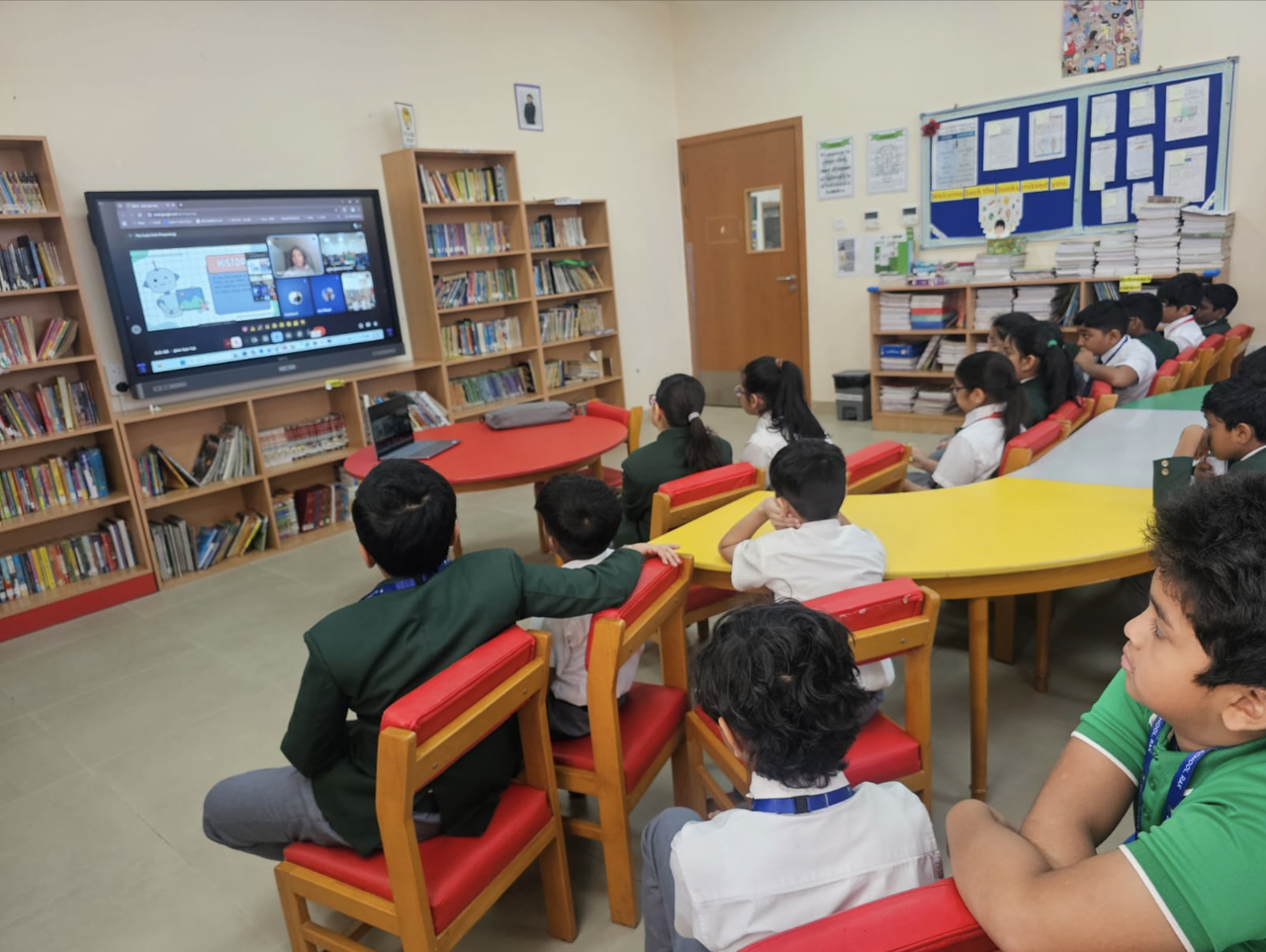
At a Ras Al Khaimah school library, Code Orbit teaches its youngest students yet how to think like researchers
At Delhi Private School in Ras Al Khaimah, a room of elementary school students was given an unusual...
Teaching Students How to Think Like Researchers | Code Orbit
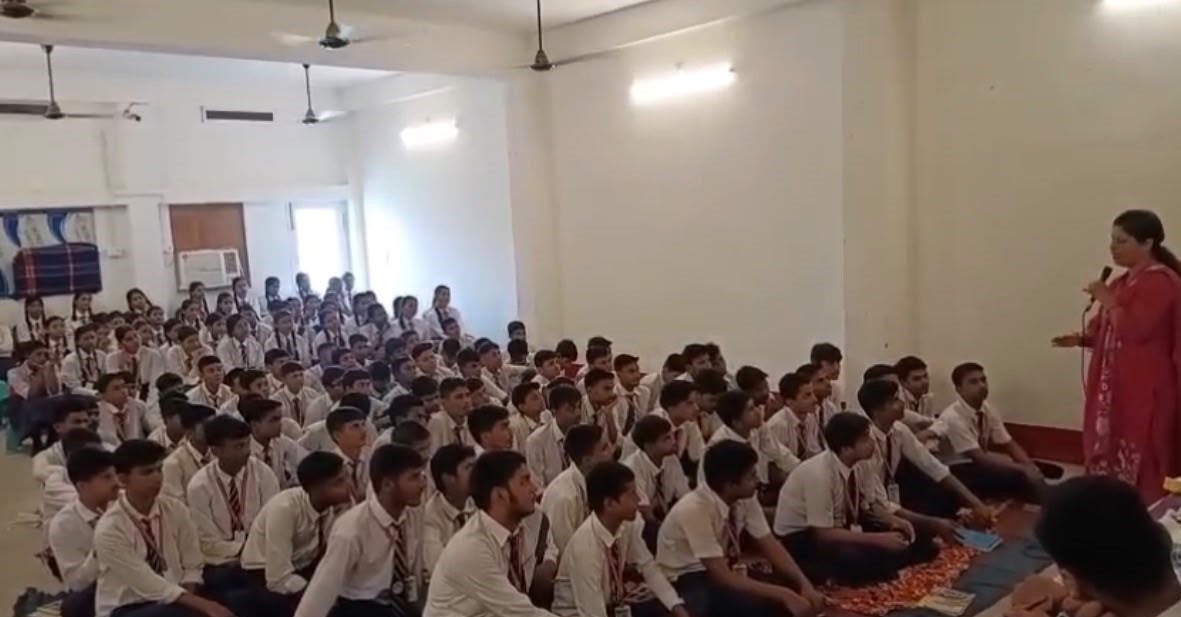
On September 10th, Code Orbit brought hands-on research training to a full classroom at Magadh Highe...
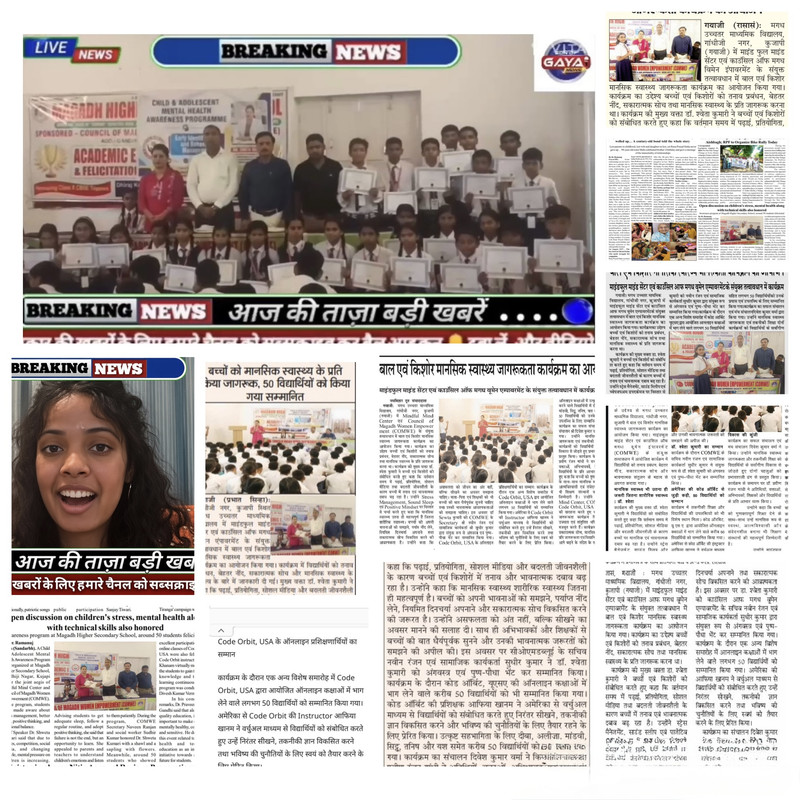
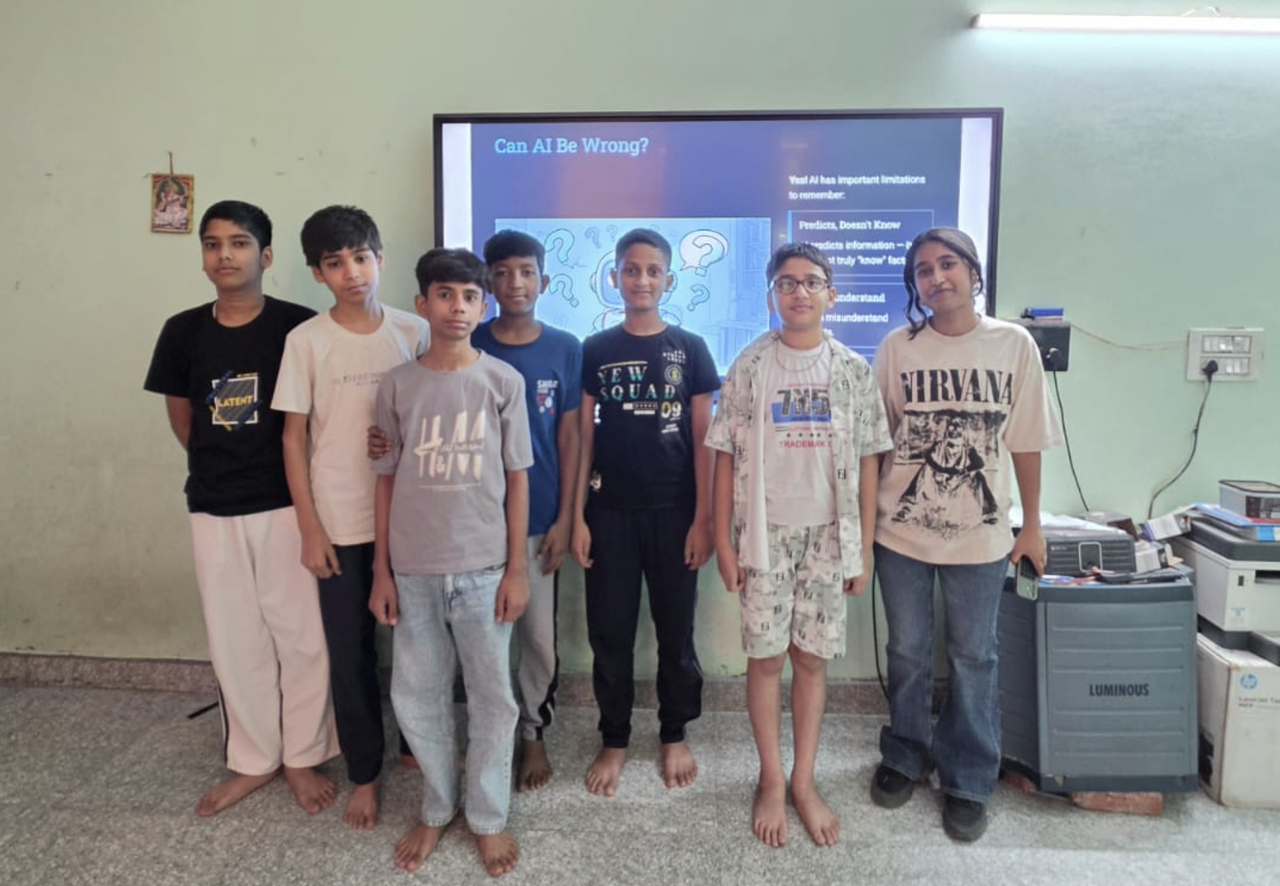
Celebrating Student Coders at a Gaya School: How Code Orbit, Dr. Sweta Kumari, and COMWE are uniting Tech Education and Community Well-Being together
Fifty students. One school. A shared mission to bring global tech education and community well-being...
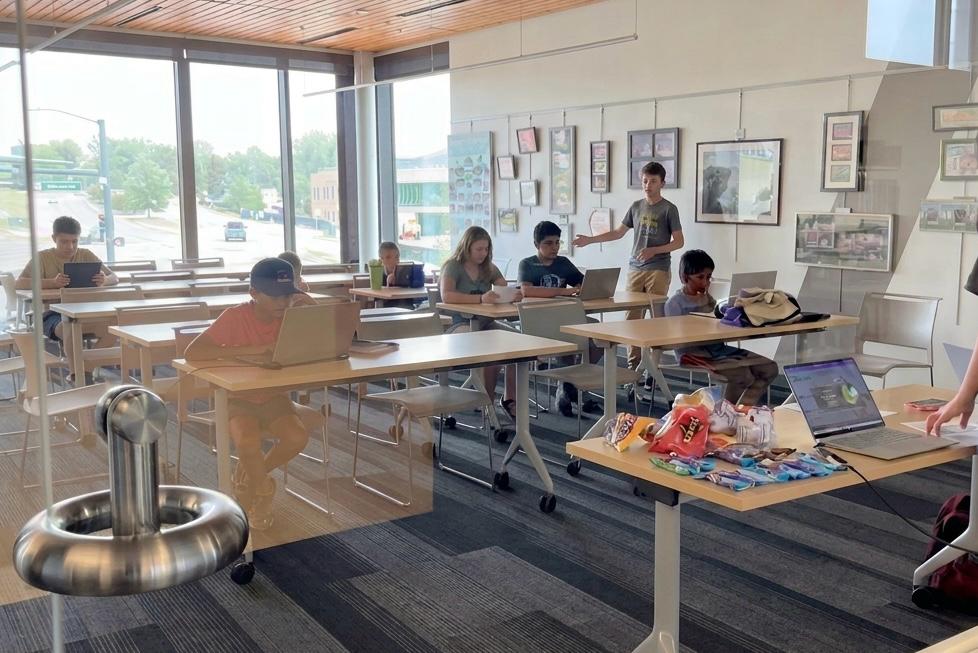
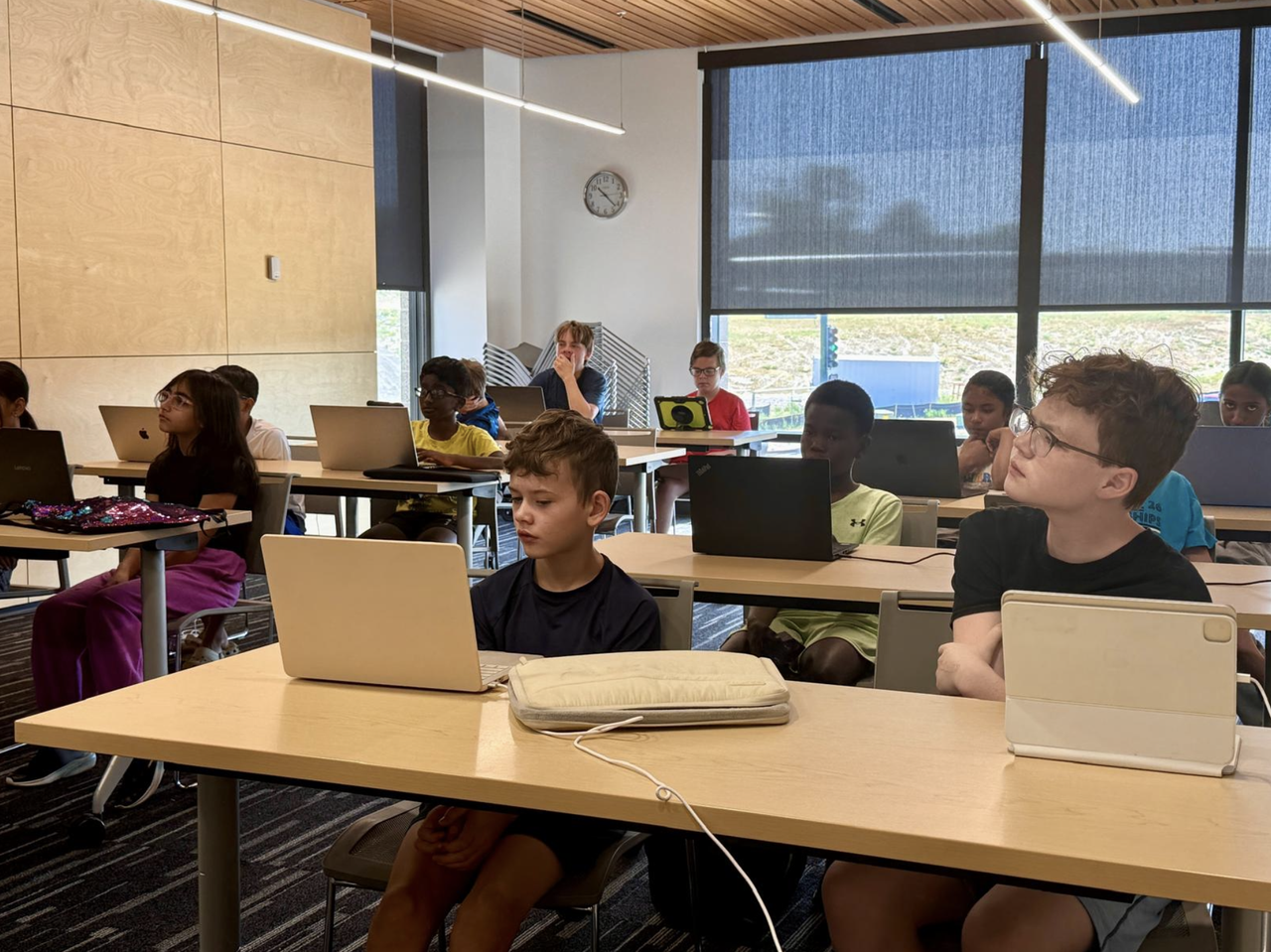
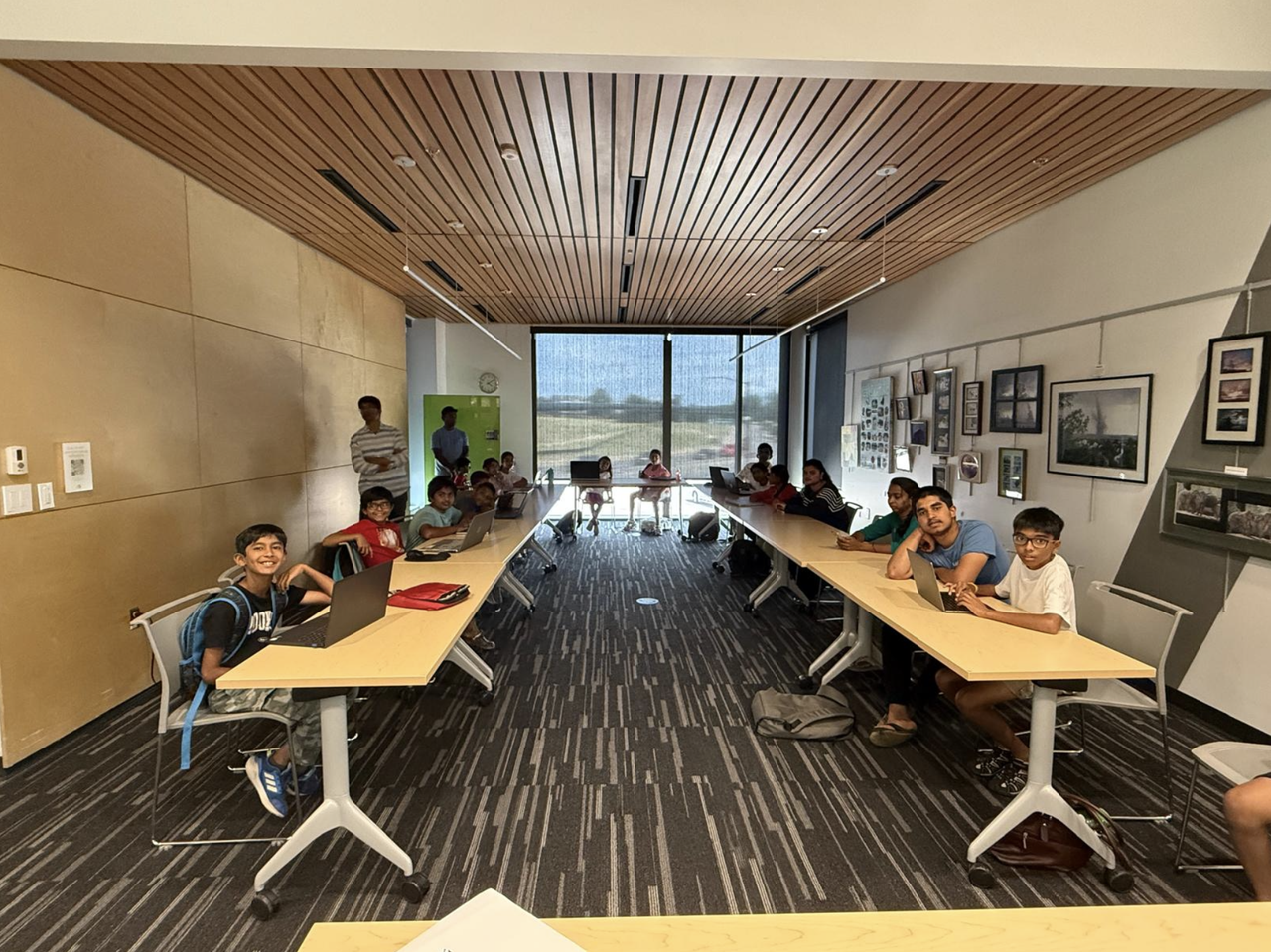
Code Orbit Blasts Off at Naperville Public Library -Nichols Library, Illinois— Two Week, Endless Possibilities
This summer, twenty young learners at Naperville Public Library's Nichols Library branch traded...
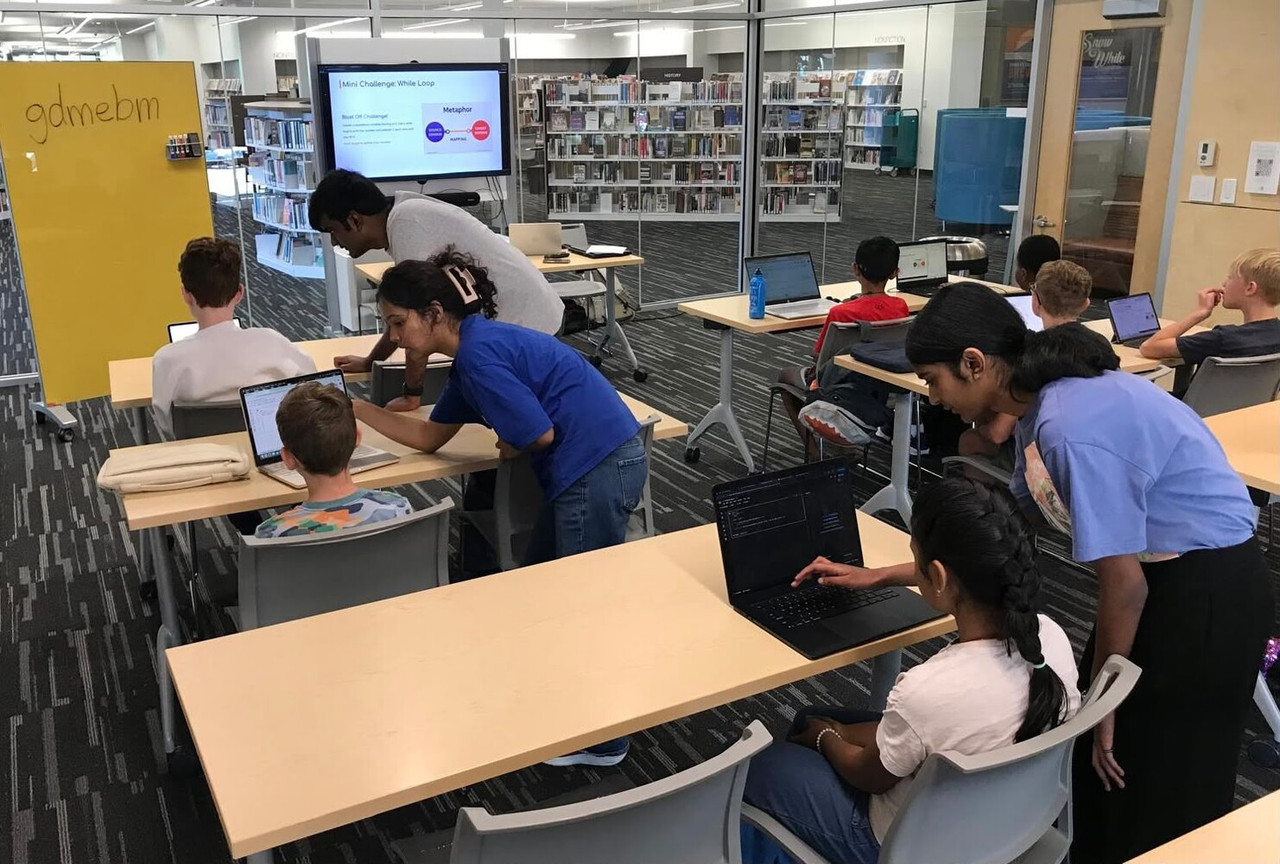
Learning Technology by Building Real Projects | Code Orbit at Douglas County Library, Parker, Colorado, USA
25 students. 6 mentors. One real-world learning experience. From July 13 to August 13, 2026 Code Orb...
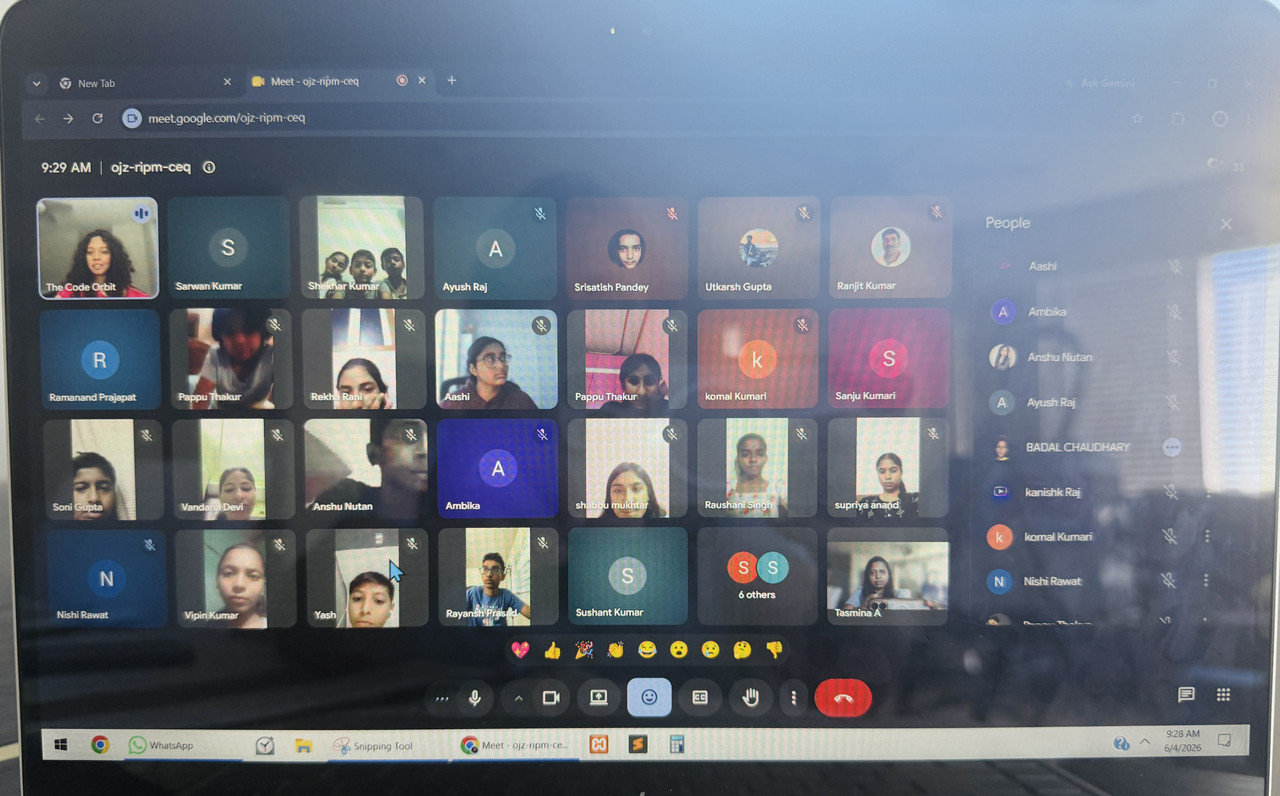
Empowering a community where education is accessible to everyone- Code Orbit connecting Magadh secondary Higher school, Gaya, India
Code Orbit recently completed its Game Design Project in collaboration with Magadh Higher Secondary ...
What Students Say
Meet Our Team
The passionate people behind Code Orbit
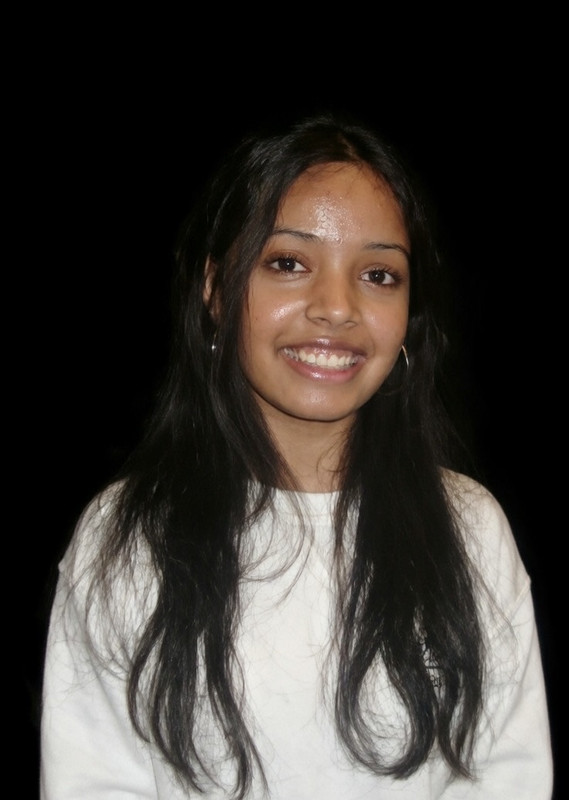
Afia Khanam
Founder & Chief Executive Officer
Afia Khanam is a researcher, creator, and STEM enthusiast committed to making skills-based education accessible to passi...

Ana Waqar
Program Lead, India
Ana Waqar is from Delhi Public School RK Puram, India, with a strong interest in global education and technology. She se...

Karthikeyan Santhanam
Program Lead, Canada
Karthikeyan Santhanam is a computer science student, STEM enthusiast, and mentor dedicated to making technology educatio...
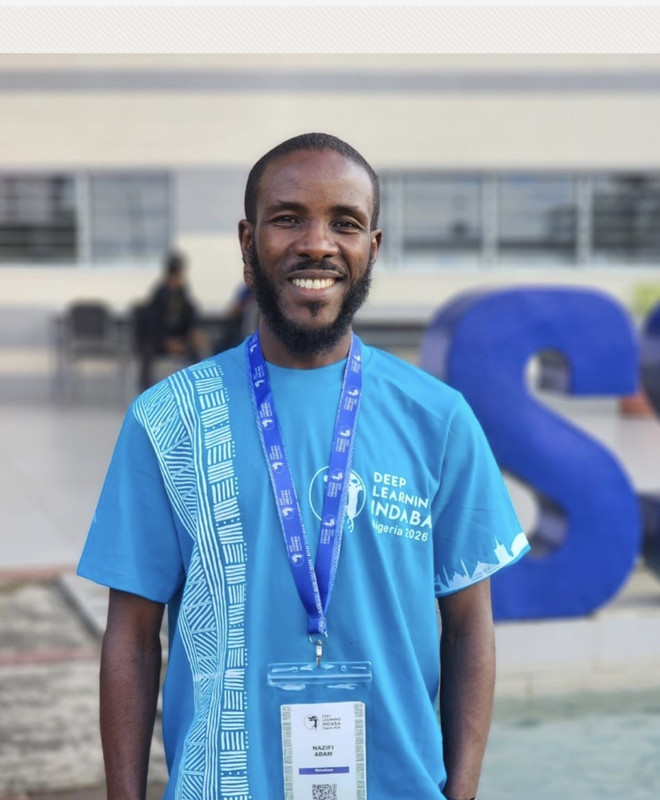
Nazifi Adam
Program Director, Nigeria
Nazifi Adam is an educator, entrepreneur, MEAL professional, and community development advocate in Jos, Nigeria. Holdin...

Rohit Saw
Mentor Lead, India
Rohit Saw is a passionate educator who collaborates with Code Orbit to help students understand mathematics. He supports...

Victor Muchene
Program lead, Kenya
Victor Muchene is a young innovator, peer mentor, and environmental enthusiast from Nairobi, Kenya. He serves as Head Te...
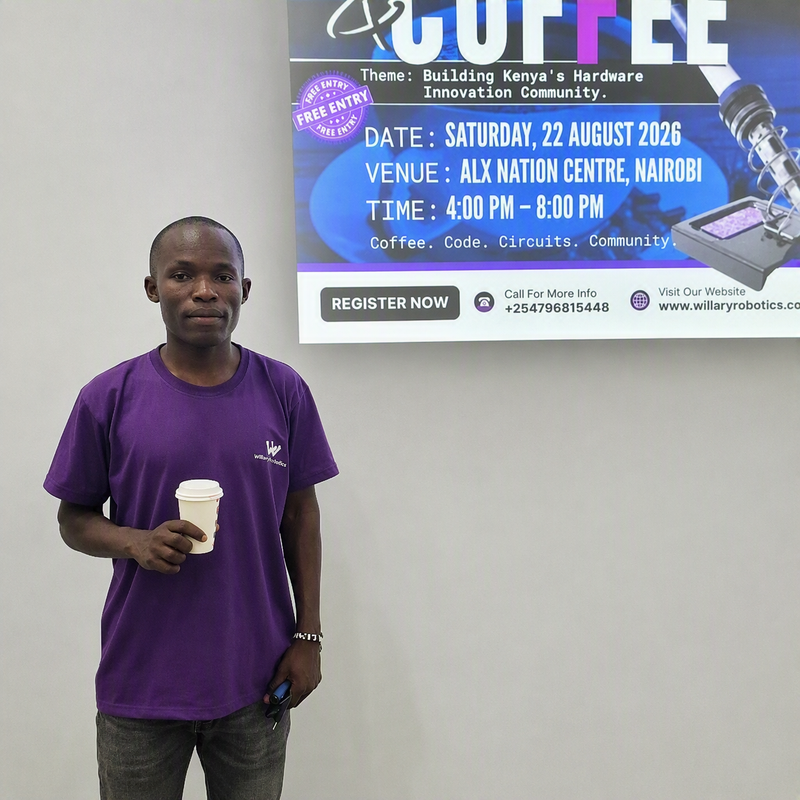
William Otwola
Robotics and Coding Education Lead, Kenya
William Otwola is a Robotics and Coding Educator and the Founder of Willary STEM. He is passionate about making STEM edu...
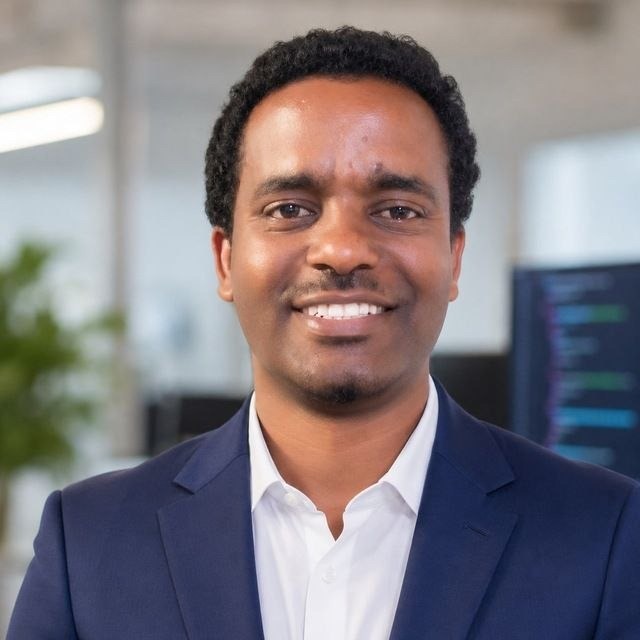
Teklemuz Tesfay
Program Lead, Ethiopia
Teklemuz Tesfay holds a BSc in Electrical and Computer Engineering and brings over six years of research experience in t...

Priyanshi Srivastava
Mentor Lead, Texas
Priyanshi Srivastava, known as Aashi, is the Mentor Lead at Code Orbit, Texas. She guides both students and mentors acro...

Rayansh Prasad
Mentor Lead, Illinois
Rayansh is high school student with a growing passion for computer science, coding, and artificial intelligence. He valu...
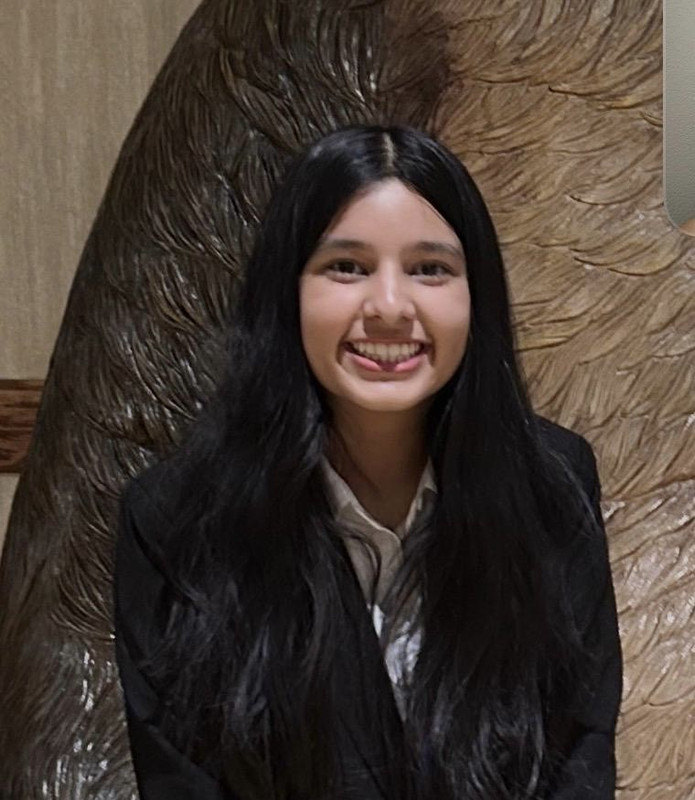
Riya Naganath
Outreach Coordinator Lead, Colorado
Riya Naganath is a 10th-grade student from Colorado with a passion for technology and a love for exploring new ideas and...
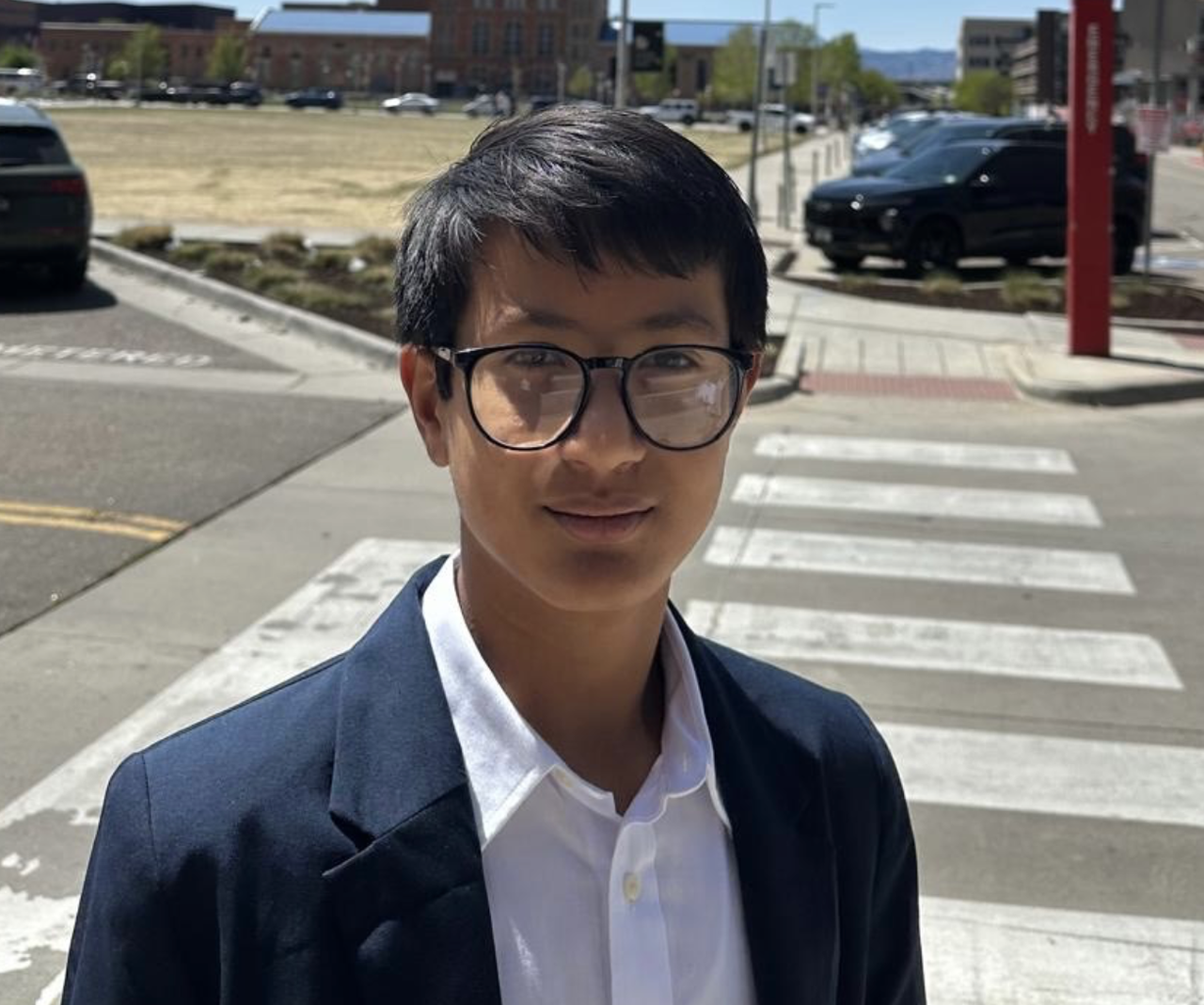
Amogh Pokhriyal
Happy Code Coordinator Lead, Colorado
Amogh Pokhriyal from Colorado is an aspiring coder passionate about computer science. He serves as a mentor for Code Orb...

Brinda Menon
Digital Marketing Lead, Colorado
Brinda Menon is a student from Colorado with a strong passion for computer science and technology. As a mentor at Code O...
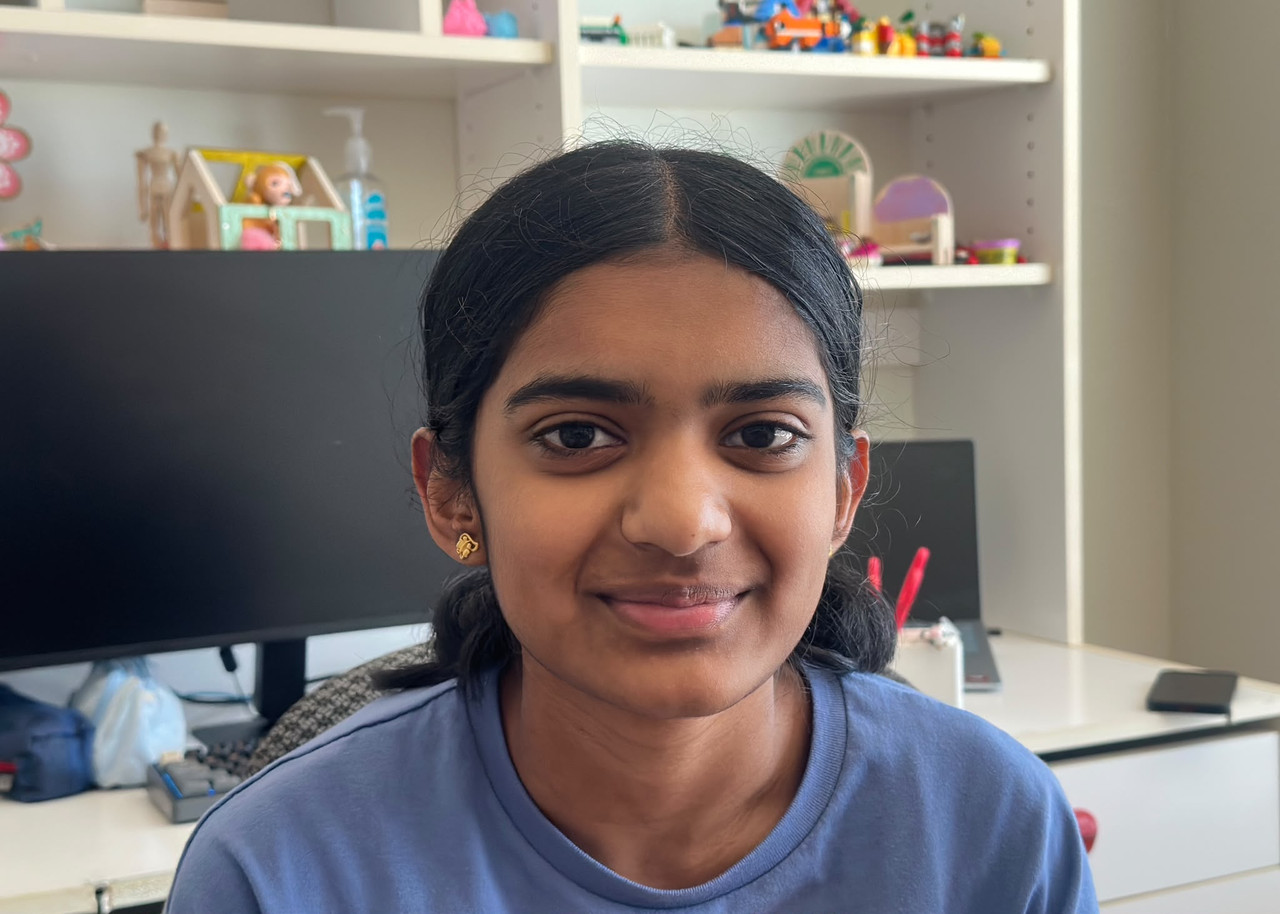
Joshika Santhanam
Happy Code Lead, Colorado
Joshika Santhanam is a ninth-grade student from Colorado with a passion for computer science and creating fun, interacti...

Aditi Kannan
Mentor, Minnesota
Aditi Kannan is a high school sophomore with passion for learning, leadership, technology and exploring opportunities. W...

Ritesh Elango
Mentor, Connecticut
Ritesh is a Grade 11 student at Manchester High School in Connecticut with a strong passion for software engineering, co...

Aradhyay Singh
Mentor, Colorado
Aradhyay Singh is a high school student from Parker, Colorado, passionate about STEM, especially mathematics, engineerin...

Vinusha Arun
Outreach Coordinator, Colorado
Vinusha Arun is a junior from Colorado with a passion for computer science and its impact on the world. She enjoys learn...
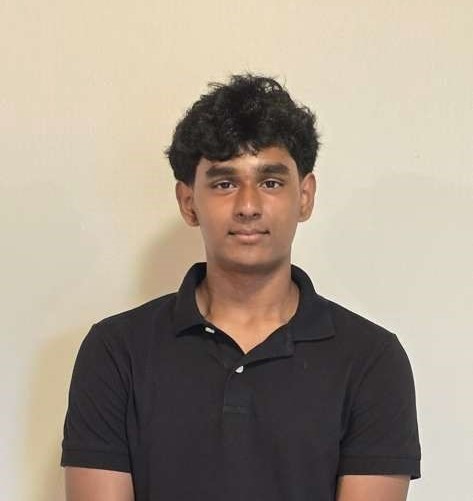
Mukund Krishnakumar
Mentor, Illinois
Mukund Krishnakumar is a motivated student with a strong interest in technology, leadership, and mentorship. As a Mentor...

Hitesh Elango
Mentor, Connecticut
Hitesh discovered his passion for cubing three years ago when he learned to solve his first Rubiks Cube. Since then, it ...

Atharv Sankhla
Mentor, Colorado
Atharv Sankhla is a high school student from Denver, Colorado, and a mentor at Code Orbit, a student-led initiative dedi...
Our Partners





Frequently Asked Questions
The Code Orbit is a student-led nonprofit learning community dedicated to making technology education free and accessible for young learners around the world.
Browse our Lessons page to find a session that interests you. Click the lesson and submit your email address to register. A confirmation email with all relevant details will be sent to you promptly.
Visit our “Be a Teacher” page and complete the application form. Once approved, you will be required to complete our training program before beginning to teach.
Yes! All lessons on Code Orbit are completely free for students.
No prior experience is required. Our lessons are designed for beginners and intermediate learners, and mentors provide guidance throughout.
Yes! Code Orbit is a global, online learning community, accessible to students and teachers worldwide.
Ready to Start Your Coding Journey?
Join thousands of students learning computer science with Code Orbit